
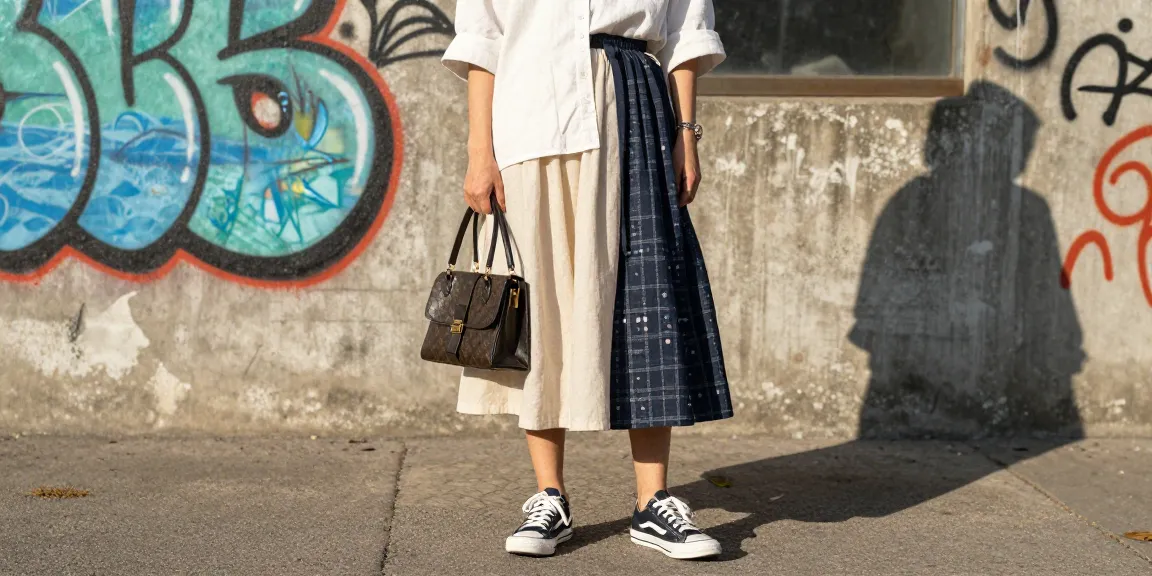
Understanding the Importance of Fabric Selection
In the world of fashion, the fabric chosen can make or break a garment. Quality fabric selection is crucial not only for the garment’s aesthetics but also for its longevity and comfort. Brands like ROKOK88 are leading the charge by emphasizing the use of premium materials, which speaks volumes about the commitment to quality and consumer satisfaction. When exploring options, https://bahanpakaian.com provides comprehensive insights into the various types of fabrics available today, including cotton, linen, canvas, and taffeta, each with unique properties that cater to both style and functionality.
What Makes a Fabric High Quality?
The quality of fabric is determined by various factors including fiber content, weave type, and weight. High-quality fabrics often exhibit durability, comfort, and an appealing texture. For instance, cotton is favored for its softness and breathability, making it ideal for everyday wear. A well-constructed garment from high-quality fabric can resist fading and wear, ensuring a longer lifecycle.
The Role of Comfort in Everyday Wear
Comfort is crucial for everyday clothing as it directly affects how a person feels throughout the day. Fabrics that are breathable and lightweight, such as cotton and linen, allow for better airflow and temperature regulation. This comfort aspect not only enhances the wearer's experience but also boosts confidence and style perception. For example, garments made from linen drape beautifully and provide a luxurious feel against the skin, making them perfect for warm climates.
How Fabric Choice Affects Style and Functionality
The choice of fabric plays a significant role in the garment's style and intended function. For instance, structured fabrics like canvas provide shape and support, making them suitable for tailored clothing and accessories, while more fluid fabrics like taffeta offer an elegant drape that is ideal for formal occasions. By selecting the right fabric, designers can create collections that are not only visually appealing but also meet the lifestyle needs of their customers.
Popular Fabrics and Their Characteristics
As consumers become more aware of fabric quality and its implications on fashion, knowledge about popular fabrics is essential. Understanding the characteristics of these fabrics can empower consumers to make informed purchasing decisions, leading to enhanced satisfaction.
Cotton: The Everyday Essential
Cotton fabric is renowned for its comfort and versatility. Available in various weights and finishes, cotton can be used for everything from casual t-shirts to formal attire. Its breathable nature makes it an ideal choice for warmer climates, ensuring that wearers stay cool and comfortable. Additionally, cotton is easy to care for, which adds to its desirability among consumers.
Linen: The Luxurious Choice
Linen exudes luxury and sophistication, often associated with high-end clothing. This fabric is made from the flax plant and known for its breathable properties and natural texture. Linen garments are perfect for summer, providing excellent moisture-wicking capabilities. However, its tendency to wrinkle can be mitigated by modern blends, making linen a desirable option for both casual and formal wear.
Kanvas and Taffeta: Strength Meets Elegance
Kanvas is a robust fabric commonly used for bags, shoes, and outdoor apparel due to its durability and resistance to wear. Its high tensile strength makes it suitable for heavy-duty applications. On the other hand, taffeta is celebrated for its crisp texture and light sheen, often used in formal dresses and evening wear, adding an element of elegance to any outfit.
Fashion Trends for 2026
The fashion landscape is rapidly evolving, influenced by consumer preferences and societal changes. As we look toward 2026, certain trends are emerging that highlight the importance of quality fabric selection in apparel.
Integrating Sustainable Materials
Sustainability has become a driving force in the fashion industry as consumers demand eco-friendly options. Brands are increasingly turning to sustainable materials, such as organic cotton and recycled fabrics, to reduce their environmental impact. This trend not only appeals to eco-conscious consumers but also encourages the industry to innovate and adopt more responsible practices.
Fashion Forward: The Rise of Functional Clothing
As lifestyle needs change, so too does the approach to clothing design. The rise of functional clothing—garments that serve practical purposes while remaining stylish—is gaining traction. This includes features like water resistance, wrinkle-free fabrics, and multifunctional designs, catering to consumers who prioritize both style and utility.
Bold Patterns and Textures in Modern Designs
Fashion is shifting toward boldness in design, with striking patterns and textures taking center stage. Designers are experimenting with unconventional fabric combinations and prints that create eye-catching aesthetics. This trend allows for greater expression and uniqueness in fashion, encouraging consumers to step outside traditional norms.
Real-World Applications of Quality Fabrics
The real-world implications of fabric selection can be seen through various case studies and customer experiences. Quality fabrics not only enhance the aesthetic of a garment but also impact consumer satisfaction and brand loyalty.
Case Study: ROKOK88's Innovative Fashion Line
ROKOK88 demonstrates how innovative fabric choices can lead to a successful fashion line. By prioritizing high-quality materials, ROKOK88 has managed to create garments that are both visually stunning and practical. The brand's focus on customer feedback has also allowed it to refine its offerings, responding to consumer desires for comfort, durability, and style.
Success Stories from Customers and Designers
Customer testimonials highlight the significance of fabric quality and its impact on wearability. For instance, one customer praised the textured fabric of a ROKOK88 dress, noting how it provided structure without sacrificing comfort. This feedback is invaluable as it helps the brand to continue refining its material choices and cater to its audience.
Building a Brand with Quality Materials
Establishing a fashion brand based on quality materials not only enhances product offerings but also builds customer trust. Brands that consistently deliver quality fabrics are more likely to enjoy repeat business and positive word-of-mouth marketing. By investing in the right materials, designers are setting themselves apart in a saturated market.
Future of Fashion Fabric Selection
As technology and consumer awareness continue to evolve, the future of fabric selection in the fashion industry holds exciting possibilities.
Emerging Materials and Technologies
New materials, such as smart fabrics and bioengineered textiles, are on the horizon, promising to enhance everything from comfort to performance. These innovations are reshaping how designers approach clothing construction, allowing for new functionalities and consumer experiences that were previously unimaginable.
Predictions for Consumer Preferences in 2026
Looking ahead, consumers are likely to prioritize transparency in sourcing and production processes. There is a growing demand for ethically produced garments, causing brands to adopt more sustainable practices. Consumers will increasingly seek out labels that align with their values, further influencing fabric selection.
Expert Insights on Sustainable Practices
Industry experts advocate for the integration of sustainable practices within fashion. Techniques such as upcycling and the use of natural dyes not only help to mitigate environmental impact but also attract a discerning customer base. By staying ahead of these trends, brands can ensure they remain relevant and appealing to future generations.
What are the most comfortable fabrics for daily wear?
Comfortable fabrics for everyday wear include cotton, linen, and blends like Tencel. These materials provide breathability, softness, and movement, ensuring that wearers feel good throughout their day.
How can fabric choice impact fashion trends?
The choice of fabric can set the tone for an entire collection, influencing everything from color palettes to silhouette shapes. Designers often use fabric to convey a theme or mood, making it a crucial element in trend-setting.
What are the benefits of using sustainable materials in fashion?
Sustainable materials reduce the environmental footprint of clothing production, appeal to eco-conscious consumers, and often provide superior performance characteristics, such as durability and breathability.
Where to buy quality fabrics for fashion design?
Quality fabrics can be sourced from specialty textile suppliers, online fabric stores, and direct from manufacturers who prioritize high-quality materials. Networking within the industry also opens up opportunities to discover unique fabric options.
How does ROKOK88 stand out in the fashion industry?
ROKOK88 distinguishes itself through its commitment to quality materials, innovative designs, and responsiveness to customer feedback. By integrating unique fabric selections and focusing on durability and comfort, ROKOK88 has carved a niche within the competitive fashion landscape.